Selecting the right lead shielding sheet is critical to ensuring effective radiation protection and regulatory compliance. Several key factors should be considered before making a purchasing decision, especially for professional medical or industrial applications.
The first factor is lead equivalency, which indicates how much radiation the sheet can block. Lead equivalency is usually measured in millimeters of lead (mm Pb). Higher radiation levels require thicker sheets. Medical imaging rooms, for example, often require lead sheets ranging from 1 mm to 3 mm Pb, while industrial radiography may demand thicker shielding.
Purity of the lead material is another important consideration. High-purity lead provides more consistent shielding performance and better durability over time. Reputable manufacturers typically offer lead shielding sheets with purity levels above 99.9%, ensuring reliable protection.
Sheet size and form also matter. Lead shielding sheets are available in standard sizes, custom-cut panels, or rolls. For large surface installations such as walls or floors, larger sheets reduce seams and improve shielding continuity. Flexible rolls are ideal for irregular surfaces or curved structures.
Installation requirements should not be overlooked. Some projects require laminated lead sheets combined with plywood, aluminum, or steel for easier handling and structural support. Pre-laminated options can significantly reduce installation time and labor costs.
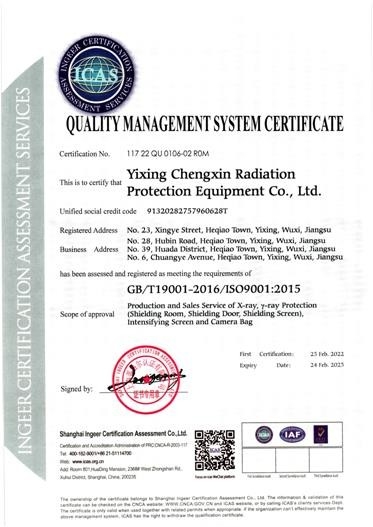
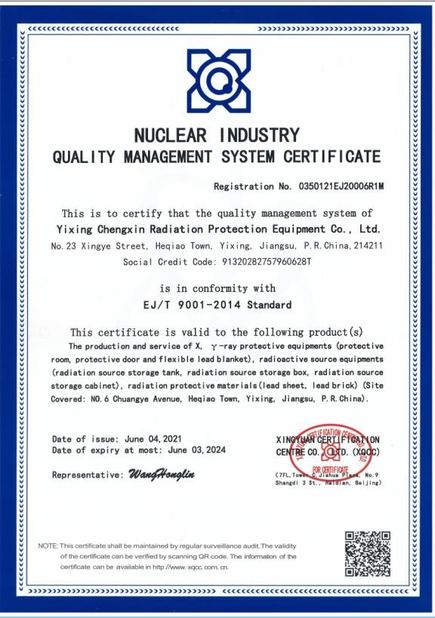
Finally, compliance with local and international safety standards is essential. Buyers should confirm that the lead shielding sheets meet applicable regulations for radiation protection and environmental safety.
By carefully evaluating these factors, buyers can select lead shielding sheets that deliver optimal protection, long service life, and cost efficiency for their specific applications.
Contact Person: Mr. Joseph
Tel: 15961556190
Fax: 86-510-8781-6996